

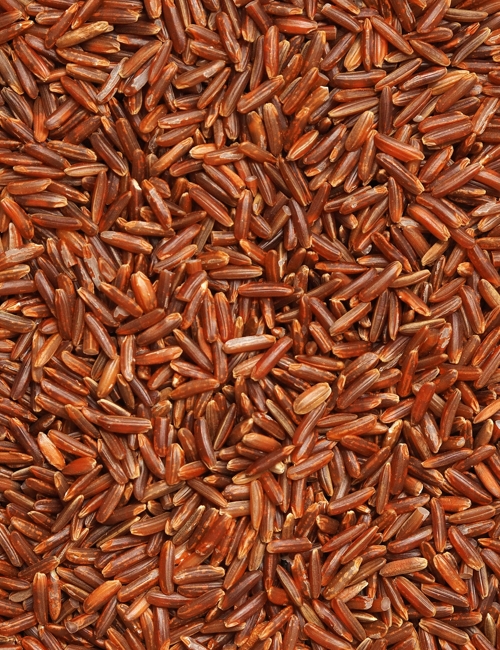


Description
Introduction
Basmati rice is more than just a staple food in Pakistan—it is a cultural symbol, an agricultural treasure, and a key export commodity. Known for its long grains, aromatic fragrance, and exquisite taste, Pakistani Basmati rice has earned international acclaim. Grown in the fertile plains of Punjab, it represents a perfect blend of tradition, quality, and economic significance.
Origin and Geographic Importance
The origins of Basmati rice trace back to the Indus Valley, with Pakistan’s Punjab province providing ideal conditions for its cultivation. The region’s rich alluvial soil, combined with the flowing waters of the Indus River and its tributaries, creates the perfect environment for nurturing this premium grain.
Pakistani Basmati rice is predominantly cultivated in districts such as Sialkot, Gujranwala, Hafizabad, and Sheikhupura. The unique climate and soil conditions of these areas give Pakistani Basmati its distinct texture and aroma—setting it apart from varieties grown elsewhere.
Features and Distinct Qualities
- Aromatic Excellence:
The word “Basmati” itself means “fragrant” in Sanskrit. The aroma of Pakistani Basmati is naturally occurring and becomes more intense with aging. - Extra-long Grains:
Basmati grains are slender and elongate significantly when cooked, often doubling in size. This characteristic makes them ideal for premium dishes. - Superior Cooking Properties:
Unlike other rice types, Basmati does not become sticky or mushy. It remains fluffy and separate after cooking. - Nutritional Benefits:
Basmati rice is low in fat, cholesterol-free, and has a low to medium glycemic index, making it a healthier choice compared to other rice types.
Economic Significance for Pakistan
Basmati rice is a cornerstone of Pakistan’s agricultural exports. It generates substantial foreign exchange revenue, especially from countries in the Middle East, European Union, and North America.
- Export Revenue:
Pakistan exports hundreds of thousands of metric tons of Basmati annually, contributing over a billion USD in export earnings. - Employment:
The rice sector provides livelihoods to millions—farmers, laborers, millers, traders, and logistics personnel across the country. - Value Addition:
Various Basmati products such as parboiled rice, organic Basmati, and aged rice cater to niche international markets, enhancing export value.
Uses and Cultural Relevance
In Pakistan, Basmati rice is a symbol of hospitality and celebration. It is a central ingredient in many iconic dishes:
- Biryani and Pulao: Signature dishes that highlight Basmati’s aroma and texture.
- Kheer: A traditional dessert made using milk and rice.
- Everyday Cuisine: Served with curries, lentils, and grilled meats across the country.
Internationally, chefs and culinary enthusiasts favor Basmati for its taste and presentation. It is commonly featured in upscale restaurants and gourmet kitchens.
Conclusion
Pakistani Basmati rice is not merely an agricultural product—it’s an emblem of national pride. Its global recognition and consistent demand underline Pakistan’s strength in the agro-based sector. Through careful cultivation, quality control, and innovation, Basmati continues to flourish as a flagship export of Pakistan.


Reviews
There are no reviews yet.